
Large-scale event planning in Ashford is much easier when sound, staging, power, supplier access and bar logistics are considered together from the start. Whether you are organising a festival, corporate function, community gathering or major private celebration, the key is to map how equipment, staff and guests will move through the site before individual suppliers arrive.
From our experience working as engineers, musicians, coordinators and organisers, the problems that cause the most disruption are often practical ones: unsuitable power, difficult loading access, rushed setup windows or technical elements that have been planned separately.
What Should You Plan First?
Start with the site, audience size and running order rather than choosing equipment immediately.
Before confirming festival sound hire requirements, stage dimensions or drinks provision, establish:
- Expected attendance
- Indoor and outdoor areas
- Performance and presentation spaces
- Vehicle and supplier access
- Available power
- Setup and breakdown times
- Audience movement
- Bar and catering positions
- Wet-weather arrangements
- Any venue restrictions
Once these basics are clear, suppliers can recommend equipment and layouts based on what the occasion actually needs.
Match The Sound System To The Space
Bigger does not automatically mean better when planning a PA system.
Good sound coverage depends on audience numbers, the shape of the site, whether the audience is seated or standing, the type of performance and nearby noise considerations. An outdoor festival stage, for example, presents very different challenges from a corporate presentation inside a large hall.
For more complex event production projects, speaker positioning should be considered alongside the stage, audience areas, power supply and technical control position.
If your programme includes bands, DJs or performers, also establish backline, microphone and monitoring requirements early. Our AV production services cover professional sound, lighting, staging, microphones, instruments and backline where these elements need to work together.
Plan Staging Around Performers and Operations
Stage hire requirements should be based on what needs to happen on the platform, not simply how many people are attending.
Consider:
- Number of performers or speakers
- Instruments and equipment
- Changes between acts
- Access on and off stage
- Lighting positions
- PA equipment
- Weather protection
- Safe cable routes
For festivals with several performers, changeovers are particularly important. Leaving enough working space and agreeing equipment requirements beforehand can prevent delays from spreading through the running order.
A stage also needs to work with the rest of the site. Avoid positioning it in a way that obstructs emergency routes, supplier access or important guest facilities.
Treat Power As Part Of The Production Plan
One of the most important questions is simple: where is everything getting its power?
Sound systems, lighting, bars, catering, refrigeration and other infrastructure can all place demands on the available supply. Do not assume a venue or field has enough suitable connections simply because electricity is available.
Create a list of everything requiring power and share it between relevant suppliers. This helps prevent multiple teams relying on the same supply without realising it.
Outdoor setups also need suitable cable routes and weather-conscious planning. Where you are unsure about electrical capacity or distribution, use suitably competent professionals rather than improvising on the day.
Position Bars For Guests And Staff
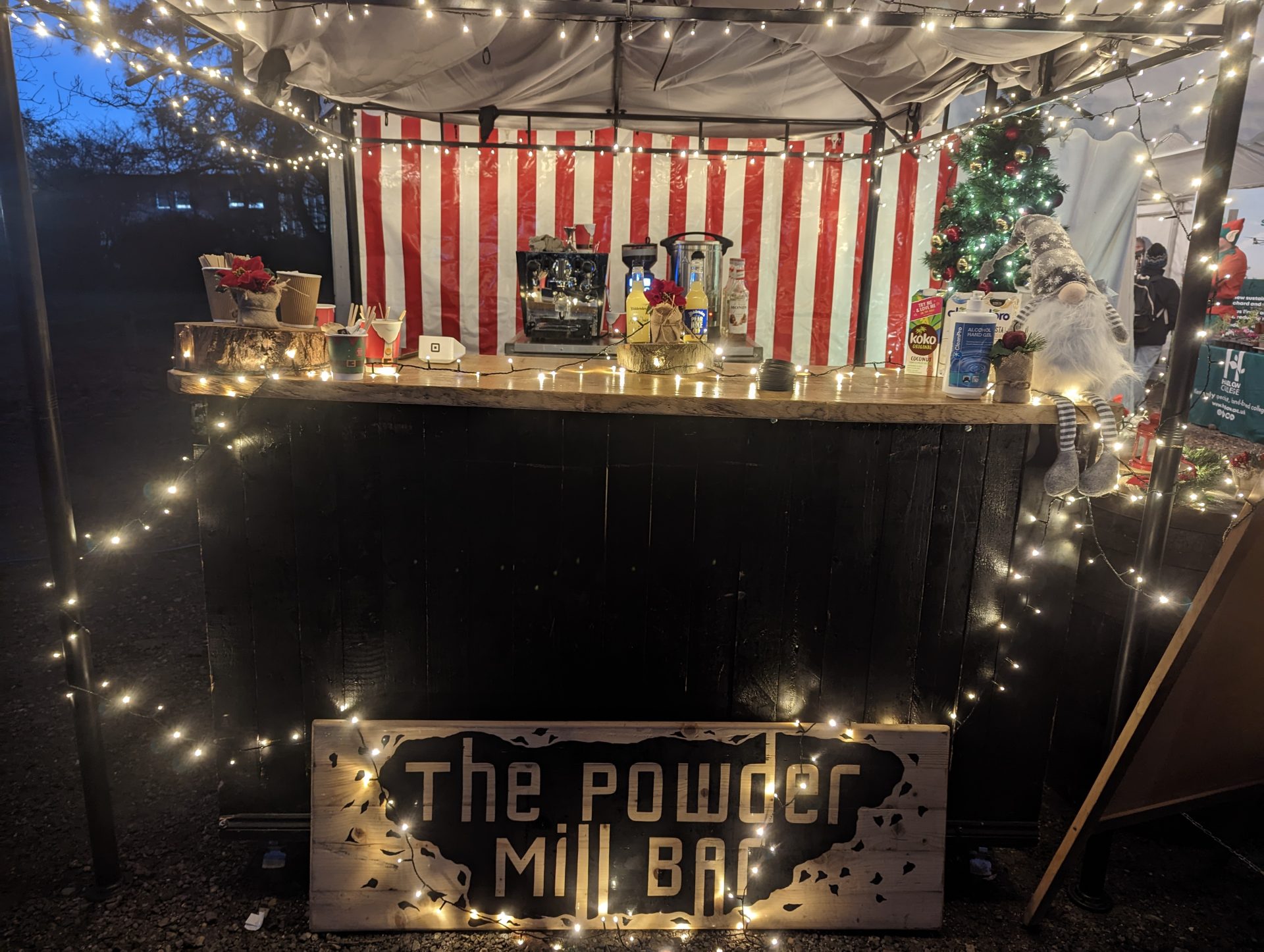
Mobile bar hire planning should consider much more than drinks choices.
The best location needs to work for customers while also allowing staff to restock, manage waste and operate without blocking busy walkways. For a larger crowd, think carefully about queue space and whether one serving point is sufficient.
Useful questions include:
- How many guests are expected?
- When will demand peak?
- Is there room for queues?
- How will stock reach the serving area?
- Where will refrigeration and power come from?
- Is the setup exposed to poor weather?
Our mobile bar options can include staffed, stocked and dry arrangements, depending on the requirements of the occasion.
Give Suppliers A Realistic Setup Window
Access is one of the easiest things to overlook.
Large speakers, staging and other equipment may arrive in sizeable vehicles, so confirm loading routes, parking, ground conditions and access times with the venue before finalising your schedule.
Ashford and the wider borough host festivals, live music, markets, cultural activities and seasonal events throughout the year, so organisers may be working across anything from town-centre locations to more rural settings. The area’s road, motorway and rail connections are useful for visitors, but the practical access to an individual site still needs checking separately.
Coordinate The Schedule Between Suppliers
A written running order should include more than what guests see.
Include supplier arrival times, technical checks, performer soundchecks, bar readiness, doors opening, performances, breaks, last service and breakdown.
On larger projects, appointing one person to coordinate these moving parts can significantly reduce confusion. At Powder Mill Productions, every booking has an event coordinator and an event plan, with larger teams briefed in advance rather than arriving without clear responsibilities.
A Practical Large Event Checklist
Before the day, confirm:
- Final attendance estimate
- Site layout
- PA and microphone requirements
- Stage specification
- Lighting requirements
- Performer technical information
- Power capacity and distribution
- Bar location and expected demand
- Supplier access times
- Vehicle routes and unloading areas
- Weather contingency
- Setup and breakdown schedule
- Named contacts for every supplier
The earlier these details are shared, the easier it becomes to spot conflicts before they become on-site problems.
Frequently Asked Questions
How Early Should Large Events Be Planned?
Start technical and logistical discussions once your venue, approximate numbers and programme are known. More complex events usually benefit from earlier coordination, particularly during busy periods.
Can Sound AND Staging Be Planned Separately?
They can, but they should still be coordinated. Stage dimensions, performer positions, lighting and speaker placement can all affect one another.
How Many Bars Does A Large Event Need?
There is no universal number. Attendance, service style, operating times, drinks choice and expected peak demand all influence the right setup.
What If The Event Is Outdoors?
Plan for power, ground conditions, safe cabling, weather protection, lighting after dark and suitable covered areas. If required, marquee options can form part of the wider site plan.
Bring The Logistics Together Early
The smoothest large events are usually the ones where sound, staging, power, bars and access have been treated as one operational plan rather than separate bookings.
With more than a decade of hands-on experience and work ranging from individual equipment requirements to multi-stage festivals, we can help identify practical issues before the day and coordinate several technical elements where required.
If you are planning a larger celebration, festival or corporate function and want to talk through the practical requirements, contact Powder Mill Productions to discuss your event.